Master of Science (MSc) in Public Health
Faculty
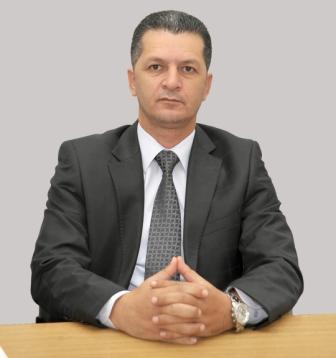
Prof. Yousef Khader
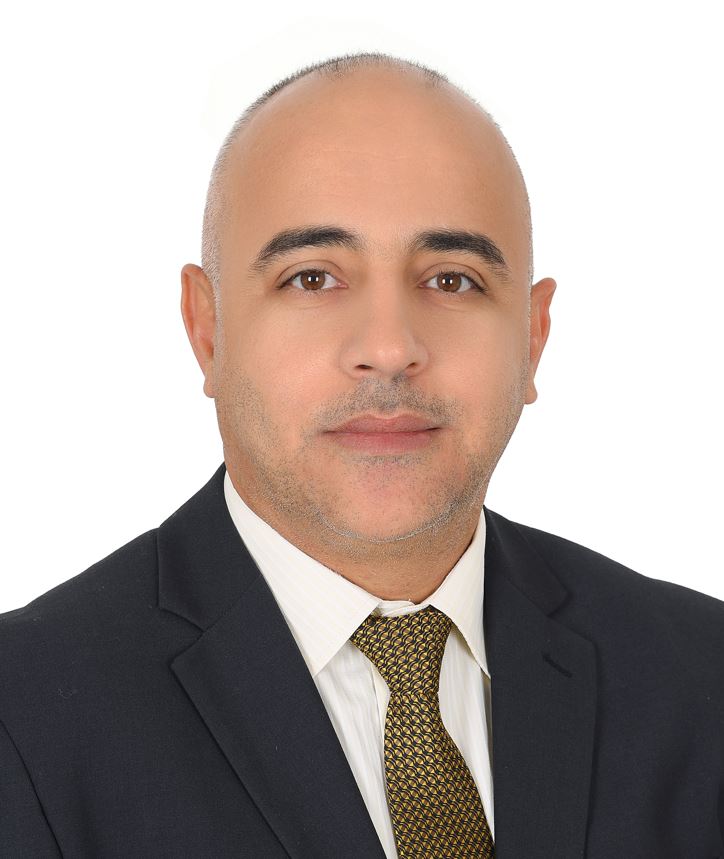
Dr. Rami AlRifai
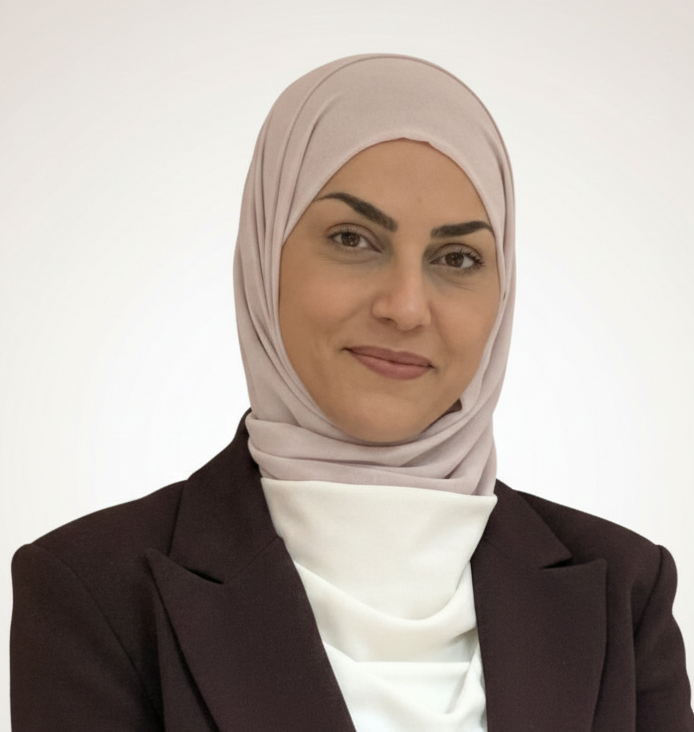
Dr. Maysaa Nemer

Dr. Mohamed Moussif
Prof. Ahmed M. A. Mandil

Prof. Salim Adib

Dr. Randa Saad

Dr. Fayrouz Mohammed Abdalla
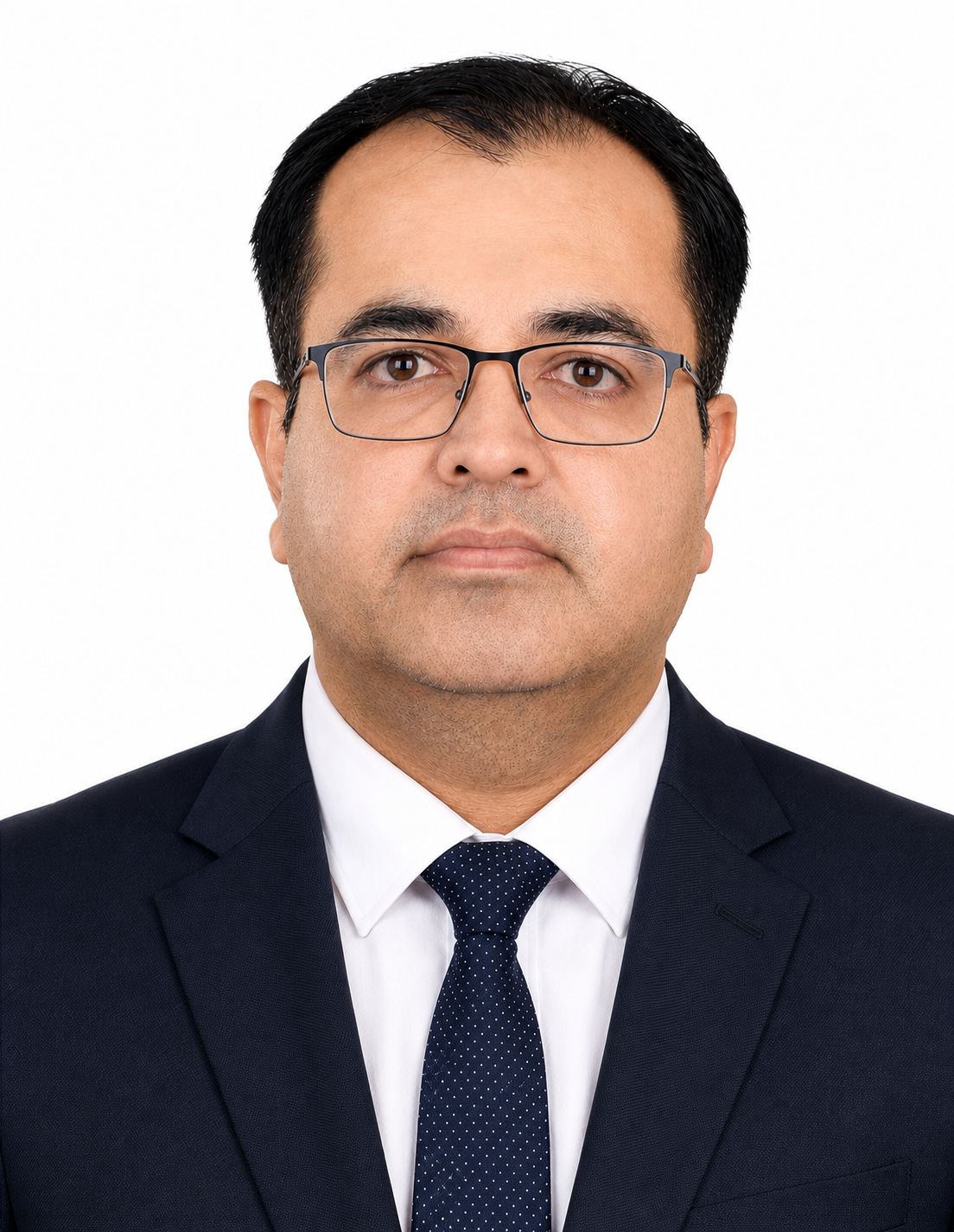
Dr. Mohamed Anas Patni
Prof. Yousef Khader
Prof. Yousef Khader is a Distinguished Professor of Epidemiology, Biostatistics, and Medical Education, and the Director of the Center of Excellence for Applied Epidemiology at the Eastern Mediterranean Public Health Network (EMPHNET). He holds master's degrees in Public Health (Tulane University), Epidemiology (Jordan University of Science and Technology), and Medical Education (Maastricht University), as well as a doctoral degree in Biostatistics from Tulane University. He is also a Fellow of the Faculty of Public Health of the Royal Colleges of Physicians of the United Kingdom, recognized through distinction.
Prof. Khader has made substantial contributions to the scientific and public health communities, with an outstanding portfolio of over 800 published scientific papers in high-impact journals. His work spans a wide array of topics including advanced epidemiologic and statistical methods, field epidemiology, maternal and child health, digital health, non-communicable diseases, and mental health.
His achievements have earned him national and international recognition, including the prestigious King Abdullah II Award for Excellence, the Khalifa Award, the Distinguished Behavioral Scientist Award, the Distinguished Professor Award, the Shoman Award for Young Arab Researchers, the Ali Mango Award, and the SCOPUS Award for Scientific Contribution. Among his many accolades, Prof. Khader has been ranked as the top scientist in Jordan—a testament to his sustained impact and leadership in the field of public health.
Dr. Rami AlRifai
Dr. Rami AlRifai is a Professor of Epidemiology at the Institute of Public Health (IPH), College of Medicine and Health Sciences, UAE University. He earned his PhD in Public Health and Epidemiology from Tokyo Medical and Dental University in 2014. Dr. AlRifai has gained international recognition for his impactful contributions to the field of epidemiology. Stanford University named him among the Top 2% of highly cited scientists globally in his discipline for five consecutive years—2021-2024 (single year) and career long in 2025.
He was honored with the Excellence-Award-Winning Scholar distinction by the College of Medicine and Health Sciences in both 2020 and 2025. In 2025, he also received the prestigious ASPHER Early Career Excellence Award from the Association of Schools of Public Health in the European Region (ASPHER). In 2026, he was also honored with the College of Medicine and Health Sciences Excellence Award in Service. These accolades are further supported by his strong academic metrics, including a Google Scholar h-index of 33, an i10-index of 76, and over 9,000 citations. In recognition of his exceptional academic and professional accomplishments, he was awarded the UAE University Merit Allowance in 2025.
His expansive research portfolio comprises 130 Scopus-indexed studies in addition to two co-authored reports published by the WHO and Gulf CDC. This extensive body of work is complemented by ongoing research projects and multiple papers presently undergoing review by international journals. Dr. AlRifai’s research spans the spectrum of infectious and non-infectious diseases, encompassing zoonotic diseases of public health significance.
His accomplishments extend to securing 20 research grants totaling around AED 12.2 million ($3.31 million) as both primary and co-investigator. UAE University has consistently recognized his research contributions, bestowing awards upon him in 2017, 2018, 2020, 2021, and 2022 for research excellence, particularly in impactful peer-reviewed journals such as Lancet, Lancet Infectious Diseases, BMJ Open, and the International Journal of Infectious Diseases. Notably, Dr. AlRifai recently completed the prestigious year-long Global Clinical Scholars Research Training (GCSRT) Program at Harvard Medical School in Boston.
Dr. AlRifai is the Founder and Head of the Infectious Diseases Research Epidemiology Advancement Unit (IDERA), a specialized initiative focusing on advancing research in infectious disease epidemiology across the UAE and the broader region. The unit is committed to supporting healthcare authorities with evidence-based insights while fostering the development of future leaders in the field of epidemiology.
Dr. AlRifai has led workshops on biostatistics, research methodology, systematic reviews, and meta-analyses, focusing on both theoretical and practical aspects. He has designed and executed diverse epidemiological studies and trained over 150 medical residents and healthcare professionals in research design, methodology, scientific writing, and critical appraisal, enhancing their expertise and practical skills.
Leading the "Abu Dhabi COVID-19 Epidemiology Research Subcommittee" from 2021 to 2022, he played a pivotal role within the Abu Dhabi core COVID-19 committee, overseeing meetings, curating presentations, proposing initiatives, and reporting to the core committee. He is also an active contributor to the UAE's 'National Immunization Technical Advisory (NITAG)' committee, employing the 'Evidence to Recommendations (EtR)' framework for evidence-based recommendations.
Dr. AlRifai’s affiliations extend across various colleges and national health committees, and he has significantly contributed to the creation of the 'Situational Analysis of Children in the United Arab Emirates' technical report. Dr. AlRifai plays an active role as a co-investigator in 'The Mutaba'ah Study,' which is the first and largest longitudinal birth cohort study in the UAE, focused on Mother and Child Health.
Before joining UAE University in 2017, Dr. AlRifai held postdoctoral positions in global health at Tokyo Medical and Dental University from 2014 to 2015 and in healthcare policy and research at Weill Cornell Medical College from 2016 to 2017. These experiences enriched his expertise in designing and conducting observational epidemiological studies, encompassing both communicable and non-communicable diseases.
Dr. AlRifai’s professional roles encompass teaching undergraduates and postgraduates, supervising PhD and Master's students, leading research projects, and offering bio-statistical assistance to healthcare professionals. Furthermore, he takes on the coordination of the "PhD Program in Public Health" at the IPH. In these roles, he is entrusted with diverse responsibilities including student advising, orientation, development, and administration.
Dr. Maysaa Nemer
Dr. Maysaa Nemer, PhD, MPhil, is an Associate Professor of Public Health at the Institute of Community and Public Health (ICPH), Birzeit University, Palestine, where she also leads the Environmental and Occupational Health Unit. She holds a PhD in Public Health (Occupational Epidemiology) and an MPhil in International Community Health from the University of Oslo, Norway. She is a public health researcher and educator with extensive experience in academic leadership, interdisciplinary teaching, and applied research addressing major public health challenges in Palestine and the broader region.
Dr. Nemer's research focuses on environmental and occupational health, climate change and health, women's and adolescents' health, health systems resilience, implementation research, and the social determinants of health, with particular attention to vulnerable populations in humanitarian and resource-constrained settings. Her work also addresses digital health governance, ethical use of artificial intelligence in health, and evidence-informed policymaking.
She has extensive experience in graduate teaching, curriculum development, research supervision, and capacity building. She has led the development of innovative, competency-based curricula for public health and research methods and has supervised numerous master's students in public health and related disciplines.
Dr. Nemer actively collaborates with regional and international organizations on research, training, and academic initiatives. She serves as a reviewer and advisor for several international journals and organizations and contributes to multidisciplinary projects aimed at strengthening public health systems, advancing occupational and environmental health, and translating research into policy and practice.
Her academic and professional work is driven by a commitment to producing rigorous research that informs decision-making and contributes to healthier, more equitable communities.
Dr. Mohamed Moussif
Dr. Mohamed Moussif, MD, MPH, MBA, is a Moroccan physician, Chatham House Fellow and global health security expert specializing in the International Health Regulations (IHR), health emergency preparedness and response, and points of entry. He serves as a WHO-selected IHR Expert and has contributed to numerous WHO expert committees, including the IHR Review Committees, the Advisory Committee on Variola Virus Research (ACVVR), and the International Travel and Health Guideline Development Group.
Dr. Moussif is also a member of the World Bank Pandemic Fund Technical Advisory Panel and Chair of the Africa CDC Kofi Annan Global Health Leadership Programme Steering Committee. With more than three decades of experience, he has supported WHO, Africa CDC, ICAO, IOM, EMPHNET, and other international partners in strengthening global health security and conducting Joint External Evaluations across multiple countries.
His full biography is available on the WHO website here.
Prof. Ahmed M. A. Mandil
Prof. Ahmed M. A. Mandil is a Professor of Epidemiology at the High Institute of Public Health, Alexandria University, Egypt, and an Adjunct Professor at the American University of Beirut. He previously served as Coordinator of Research and Innovation at the World Health Organization Regional Office for the Eastern Mediterranean (WHO/EMRO), where he led regional initiatives in health research, digital health, innovation, and scientific publishing.
Prof. Mandil has also held senior academic leadership positions, including Dean of the College of Health Sciences at the University of Sharjah and Professor at King Saud University. With more than three decades of experience in epidemiology and public health, his expertise spans health systems research, evidence-informed policymaking, digital health, tobacco control, emergency preparedness, and noncommunicable diseases.
He holds a Doctor of Public Health (DrPH) in Epidemiology from the University of California, Los Angeles (UCLA), and is a Fellow of the Faculty of Public Health of the Royal College of Physicians (UK). He has contributed extensively to global and regional public health through research, policy development, and advisory roles with the World Health Organization.
Prof. Salim Adib
Prof. Salim Adib is a medically trained epidemiologist (USJ-1984), who obtained a Doctorate of Public Health (DrPH) in 1991 at the University of Michigan (Ann-Arbor, USA). He has been involved in various academic activities, research, community service and public consultations in the USA (1986-93) and Kuwait (1995-2002).
Between 2010 and 2012, he was the Manager of the Department of Public Health of the Emirate of Abu-Dhabi (UAE). In 2013, he served as a Professional International Expert for the Non-Communicable Diseases Department, WHO-East Mediterranean Regional Office (Cairo).
He was the International Epidemiological Association (IEA) Council Member for the Middle-East and North Africa from 2014 to 2021, and is now the Chair of the Lebanese Epidemiological Association (LEA) which he co-founded in 1993. Prof. Adib has been on the Executive Council of the Association of Francophone Epidemiologists (ADELF) since 2017. He currently chairs the Committee on Subspecialties in the Arab Board for Community Medicine, an accreditation entity administered by the League of Arab States.
Since 2013, Salim Adib is a full-time Professor of Public Health Practice at the American University of Beirut (AUB), Lebanon. In 2024 and 2025, Prof. Adib was listed in the Stanford assessment within the top life-time 2% researchers on impact indicators.
Dr. Randa Saad
Dr. Randa Saad is a Senior Technical Specialist in Research and Policy at the Eastern Mediterranean Public Health Network (EMPHNET), where she helped launch the Noncommunicable Disease (NCD) Research and Prevention Center. She leads regional initiatives focused on NCDs, and her portfolio includes the co-development of the NCD Assessment and Planning (N-CAP) Process and EMPHNET’s Anti-Tobacco work.
She has led the development of EMPHNET’s NCD Implementation Research Guide and Training Course, aimed at building regional capacity for evidence-based action. A specialist in Internal Medicine and Endocrinology & Metabolism, Dr. Saad earned her MD and completed her advanced training at the American University of Beirut (AUB).
She has served as a post-doctoral research fellow at AUB’s WHO Collaborating Center for Metabolic Bone Disorders and is a graduate of AUB’s Scholars in Health Research Program (SHaRP). Dr. Saad has several publications in the field of medicine and public health, and her work bridges clinical expertise with policy-driven public health research to advance NCD prevention and care across the region.
Dr. Fayrouz Mohammed Abdalla
Dr. Fayrouz Mohammed Abdalla is a public health and health management consultant and academic, specializing in Community Medicine and Health Systems Management. She currently serves as the Unit Head of Education & Training and Assistant Professor of Community Medicine at the Center for Health Workforce Development (CHWD) at RAK Medical & Health Sciences University (RAKMHSU), UAE. Her extensive expertise encompasses Human Resources for Health (HRH) policy, planning, training, and teaching, with a proven track record in leading capacity-building initiatives across universities, health ministries, and non-governmental organizations.
Dr. Abdalla's professional journey includes significant roles such as Learning & Knowledge Management Advisor and Program Manager at We for Health Organization in Rwanda, and as Chief Executive Officer and Public Health & Health Systems Management Consultant at Alan Consulting Firm in Sudan. She has also served as a consultant for critical national initiatives, including the development of Sudan National Cancer Prevention & Control Strategy 2023-2030, and the Strengthening of the National HRH Observatory & Health Workforce Information system in Sudan, in partnership with the Federal Ministry of Health and the World Health Organization (WHO). In academia, she has taught community medicine, public health and health management at RAKMHSU in UAE; Ahfad University for Women and the University of Medical Sciences and Technology in Sudan.
Academically, Dr. Abdalla holds an MD in Community Medicine from the Sudan Medical Specialization Board, an MA in Health Management, Planning & Policy from the University of Leeds, UK, and a Postgraduate Diploma in Research Methods & Biostatistics from University of Medical Sciences and Technology (UMST), Sudan. Her research has been published in notable journals.
Dr. Mohamed Anas Patni
Dr. Mohamed Anas Patni is an Associate Professor of Community Medicine at the RAK College of Medical Sciences, Ras Al Khaimah Medical and Health Sciences University (RAKMHSU), United Arab Emirates, where he also serves as the Lead of the Research Unit at the Centre for Health Workforce Development (CHWD). His expertise encompasses Community Medicine, Epidemiology, Public Health, Biostatistics, Medical Education, Health Workforce Development, and Evidence-Based Medicine.
With over 15 years of academic, research, and public health experience across India and the United Arab Emirates, Dr. Patni has made significant contributions to undergraduate and postgraduate medical education, epidemiological research, research capacity building, and public health programme implementation. He has led and collaborated on numerous national and international research projects, supervised student and faculty research, and actively contributed to health workforce development initiatives. His public health experience includes outbreak investigations, immunization programme strengthening, COVID-19 response activities, and capacity-building programmes for healthcare professionals. He is also a Senior Collaborator with the Global Burden of Disease (GBD) Study and serves as a peer reviewer for several high-impact international journals.
Dr. Patni's research interests include epidemiology, maternal and child health, communicable and non-communicable diseases, implementation science, medical education, health systems research, and evidence synthesis through systematic reviews and meta-analyses. He has authored more than 60 indexed publications in leading international journals, including The Lancet Infectious Diseases, Frontiers, Journal of Clinical Medicine, Vaccines, Healthcare, BMC Cardiovascular Disorders, and International Journal of Molecular Sciences. His research has contributed to advancing evidence-based healthcare and informing clinical and public health practice, particularly in the Gulf region and South Asia.
Dr. Patni holds an MD in Community Medicine, is a Member of the Faculty of Public Health (MFPH), United Kingdom, a Fellow of the Royal Society for Public Health (FRSPH), United Kingdom, and a Member of the American College of Epidemiology (MACE), USA. He is committed to advancing excellence in public health education, collaborative research, and evidence-informed healthcare policy through interdisciplinary and international partnerships.
Description
Become a public health leader equipped with the knowledge and skills to strengthen health systems, analyze population health challenges, design evidence-based interventions, manage public health programs, and improve health outcomes across diverse settings.
Program Overview
The Master's Program in Public Health is a rigorous professional graduate program designed to equip professionals with advanced competencies to address complex public health challenges and drive positive change in population health.
The program prepares participants to analyze public health issues, strengthen health systems, conduct operational research, develop health policies, and implement evidence-based interventions.
The curriculum integrates foundational public health knowledge with leadership, management, research, and emerging technologies to prepare graduates for senior public health roles.
It covers key areas including epidemiology, biostatistics, communicable and non-communicable diseases, health economics, governance, health promotion, women's health, environmental health, quality improvement, and artificial intelligence applications in public health.
Graduates are prepared for leadership positions in ministries of health, healthcare organizations, public health institutions, international agencies, NGOs, academic institutions, and research settings.
Why Choose this Program?
- Earn an accredited master's degree jointly delivered by RAKMHSU and IAPH.
- Study while you work through a flexible online learning model.
- Build expertise across core and emerging public health disciplines.
- Develop leadership and management competencies for senior public health roles.
- Explore innovative topics including Artificial Intelligence and Machine Learning in Public Health
- Learn through practical case studies, applied assignments, and operational research.
- Complete an applied master's thesis addressing a real public health challenge.
- Learn from experienced regional and international faculty.
Thesis
A key component of the program, the thesis allows participants to apply their learning to a real-world public health issue.
Participants will:
- Develop a research proposal
- Conduct data collection and analysis
- Produce a structured thesis report
- Present and defend their findings
Duration
3-4 semesters
Program Structure
- Duration: 3 semesters
- Total Credits: 36 credit hours
- Delivery Mode: Self-paced online learning with a supervised thesis component
The program combines interactive self-paced online learning modules, case studies, practical assignments, and a supervised thesis project to ensure the application of knowledge to real-world public health challenges.
Semester Breakdown
Semester 1
- Foundations of Public Health
- Epidemiology
- Non-Communicable Diseases
- Communicable Diseases
Semester 2
- Biostatistics
- Health Economics in Public Health
- 2 Elective Courses (Choose 2):
- Health Promotion & Disease Prevention
- Artificial Intelligence (AI) and Machine Learning (ML) in Public Health
- Governance of Population Health and Well-being
- Women’s Health
- Environmental and Occupational Health
- Primary Community Health Care and Quality of Service
Semester 3
- Research Methods and Writing
- Thesis
Learning Outcomes
By the end of the program, participants will be able to:
- Critically evaluate public health approaches to address complex health challenges at local, national, and global levels.
- Manage and analyze public health data to support evidence-based decision-making.
- Apply epidemiological methods to investigate, manage, and prevent diseases and public health concerns.
- Design and conduct operational research to improve public health programs and outcomes.
- Analyze and evaluate health systems and identify opportunities for improvement.
- Develop strategies for the prevention and control of non-communicable diseases.
- Integrate social determinants of health and gender perspectives into public health interventions.
- Apply Total Quality Management principles to strengthen healthcare services.
- Plan and implement communicable disease prevention and control programs.
- Apply public health principles in humanitarian emergencies and resource-limited settings.
- Develop and implement health promotion and disease prevention initiatives.
- Analyze women's health issues and develop policy and programmatic solutions.
- Assess environmental and occupational health risks and implement mitigation measures.
- Evaluate the economic impact of health interventions and support efficient resource allocation.
- Assess workforce and organizational factors influencing public health system performance.
Who Should Apply
This program is designed for professionals seeking to strengthen their public health competencies and advance into leadership and management roles within health systems and public health organizations.
Ideal applicants include:
- Public health professionals working in health programs, policy, planning, and management
- Physicians and medical doctors involved in clinical and public health practice
- Nurses and allied health professionals seeking leadership and management skills
- Staff from ministries of health and other government sectors
- Professionals working in NGOs, international organizations, and humanitarian settings
- Health program managers and health system administrators
- Researchers and analysts involved in public health data and policy
- Professionals interested in advancing their careers in population health and health systems strengthening
Admission Requirements
Applicants should meet the following requirements:
- Hold a bachelor’s degree from a recognized institution in health and medical sciences, behavioral sciences, social sciences, or another public health-related field.
- Demonstrate proficiency in English sufficient to engage with course materials and complete academic requirements.
Career Opportunities
Graduates of the program are equipped to take on leadership, technical, and management roles across public health systems and organizations.
Graduates can work as:
- Public Health Specialists
- Public Health Program Managers
- Health Policy Advisors
- Health Systems Analysts
- Epidemiologists
- Monitoring and Evaluation Specialists
- Health Promotion Specialists
- Health Governance Officers
- Health Economists
- Public Health Researchers
- Quality Improvement Specialists
- Environmental Health Officers
- Women's Health Program Coordinators
- NGO and Humanitarian Health Program Managers
- Public Health Consultants




Features